
Not logged in
Connect & follow


 Login Status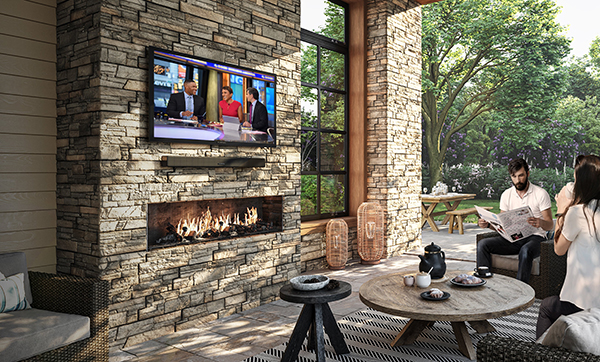
Published: April 14, 2025
One of the most common questions we get is what the difference is between "full sun," "partial sun," and "full shade" outdoor TVs. It's one of the most important decisions you'll make, because picking the wrong category means either overpaying for brightness you don't need, or ending up with a washed-out, hard-to-see screen.
Full shade outdoor TVs are designed for covered patios, porches, and areas that never receive direct sunlight. They typically run in the 350-500 NIT range - noticeably brighter than a standard indoor TV, but not built to fight direct sun glare. These are usually the most affordable outdoor option.
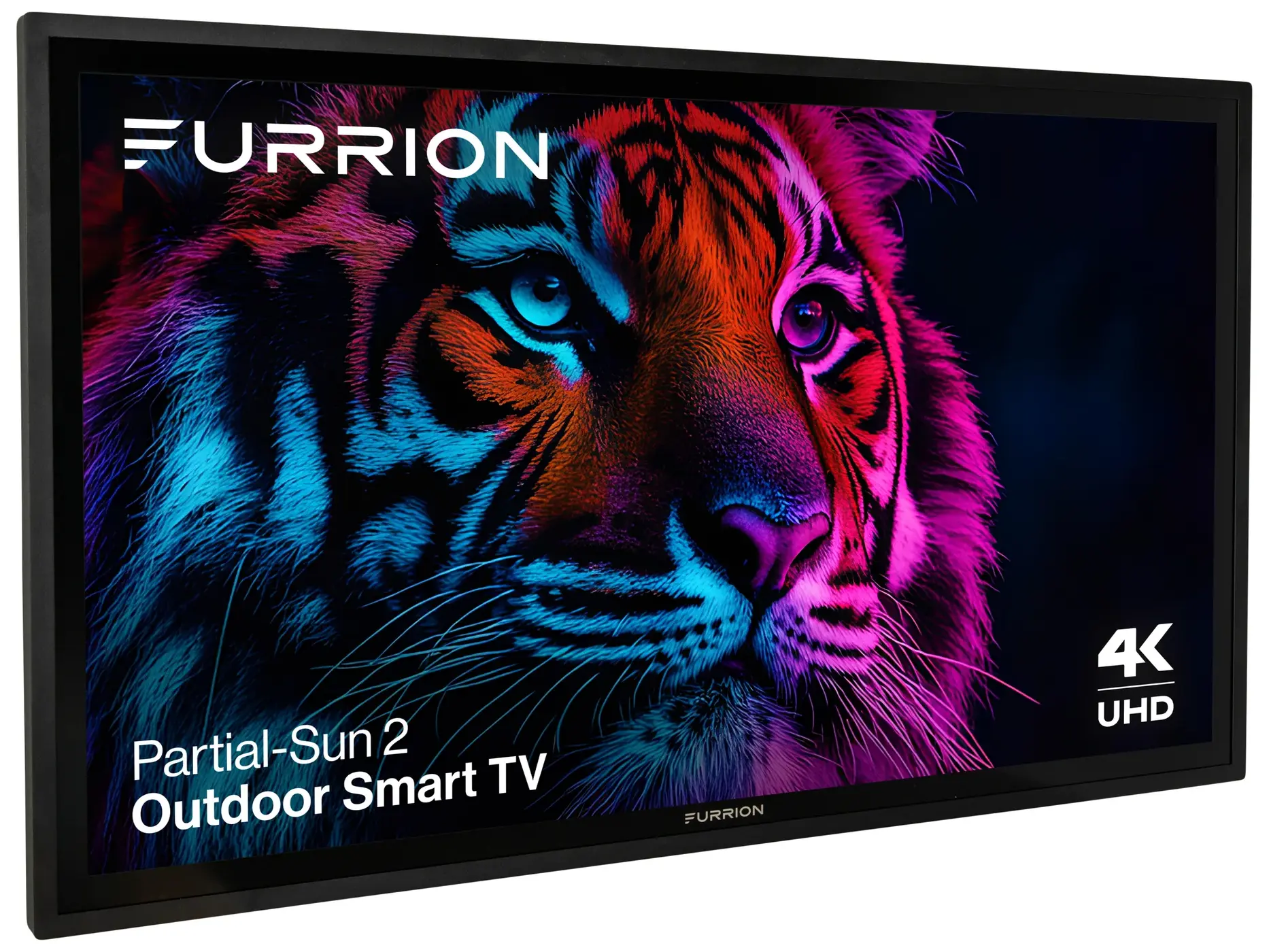
Partial sun TVs are built for spaces that get some direct sunlight during part of the day - think a patio that's shaded in the morning but sunny in the afternoon. These typically fall in the 700-1,000 NIT range and use anti-glare coatings to stay visible as lighting conditions shift.
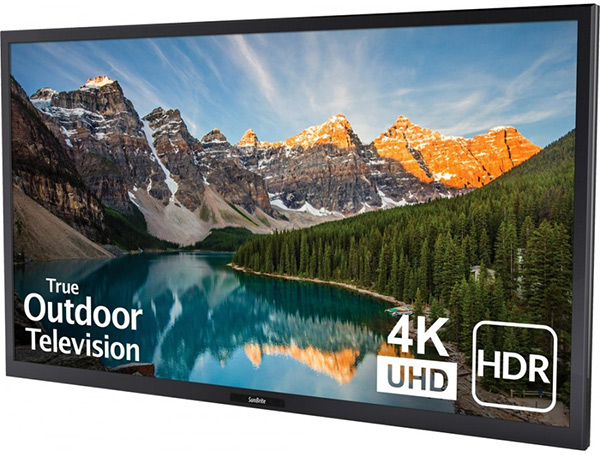
Full sun TVs are the top tier, built for locations with no shade at all - poolside, open decks, or anywhere the screen faces direct sunlight most of the day. These can reach 1,500-2,500+ NITs, several times brighter than an indoor television, so the picture stays crisp and visible even at high noon.
Track your intended TV location over the course of a day. If it's shaded most of the time, a full shade model like our All Season TVs will save you money. If it's going to bake in direct sun, invest in a true full sun option like the SunBrite Veranda Series or MirageVision lineup. When in doubt, our team is happy to help you match your space to the right brightness level - just contact us.